
Bolts
Showing 649–672 of 1139 products

National Aerospace Standard
National Aerospace Standard NAS6203-14 Steel Undrilled Shank Bolt, Shear
Rs 230
National Aerospace Standard
National Aerospace Standard NAS6203-12 Steel Undrilled Shank Bolt, Shear
Rs 1,330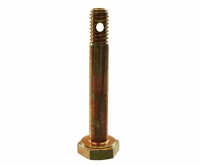
National Aerospace Standard
National Aerospace Standard NAS6203-11D Steel Drilled Shank Bolt, Shear
Rs 5,541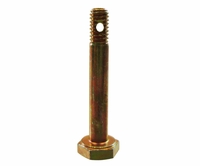
National Aerospace Standard
National Aerospace Standard NAS6203-11 Steel Undrilled Shank Bolt, Shear
Rs 633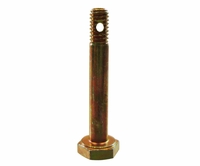
National Aerospace Standard
National Aerospace Standard NAS6203-1 Steel Undrilled Shank Bolt, Shear
Rs 6,079
National Aerospace Standard
National Aerospace Standard NAS6203-10 Steel Undrilled Shank Bolt, Shear
Rs 1,445


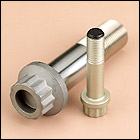


Aeronautical Standard
Aeronautical Standard AN42B11A Steel Undrilled Shank Eye Bolt - 5/Pack
Rs 46,298
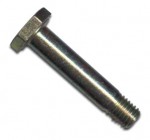
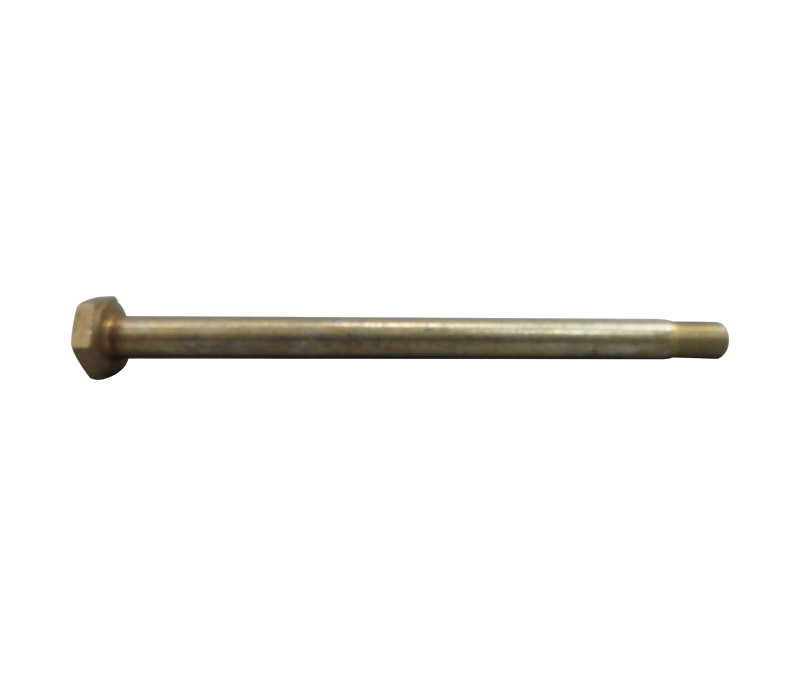
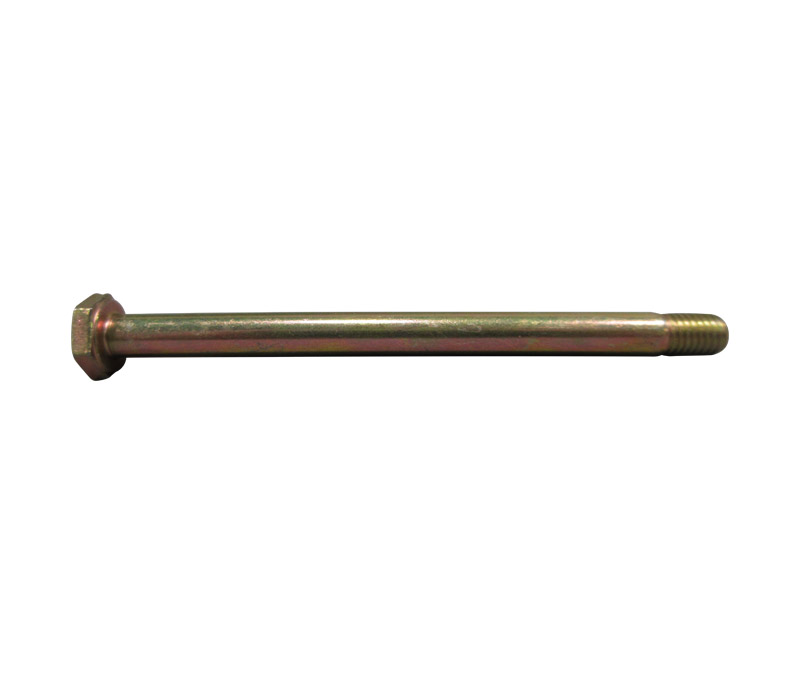

National Aerospace Standard
National Aerospace Standard NAS6204-43D Steel Drilled Shank Bolt, Shear
Rs 8,464
National Aerospace Standard
National Aerospace Standard NAS6204-40D Steel Drilled Shank Bolt, Shear
Rs 3,500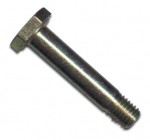

National Aerospace Standard
National Aerospace Standard NAS6204-29H Steel Drilled Head Bolt, Shear
Rs 3,480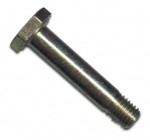
National Aerospace Standard
National Aerospace Standard NAS6204-29D Steel Drilled Shank Bolt, Shear
Rs 16,257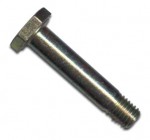
Perhaps the most widely known piece of hardware is the bolt, but if you were asked what one is, could you answer it? Skygeek would.
Bolts are simply threaded fasteners. Aircraft contain countless parts and these parts must frequently be either dismantled and/or replaced. Securing or fastening adjacent parts together (forming a joint) is sometimes achieved by using rivets. However, it is often more practical to use bolts, especially when greater strength and rigidity are required. Bolts are different from other threaded fasteners— like screws—in that they must be screwed into a nut and subsequently tightened by turning it. Turning bolts with right-handed threads requires a clockwise direction; left-handed threads a counter-clockwise direction. Unlike screws, bolts generally have a shorter threaded section and a relatively longer grip length.
The anatomy of a bolt will help you identify and select the right one for a certain application. When using a bolt, keep in mind the following parts (refer to the corresponding diagram): length, diameter, grip, threads, head width and head thickness. The head comes in many styles (e.g. hex, clevis, eyebolt). The part not including the head is called the shaft. Length measures the distance from the bottom of the head to the bottom of the shaft. Diameter refers to the thickness of the shaft. The grip is considered the unthreaded part of the shaft; it runs from the bottom of the head to the beginning of the thread.
Another factor in determining the right bolt is composition. Bolts are usually made of metal such as (Corrosion-resistant, or CRES) steel or aluminum alloy. In addition, bolts often have finishes or surface treatments—cadmium and chromate being two of them.
Most bolts conform to a variety of standards: Air Force/Navy (AN), National Aircraft Standard (NAS), and Military Standard (M or MS). SkyGeek carries an extensive and growing list of series of bolts that meet or exceed these standards. Click on the specific series that suits your needs.