
MIL-SPEC Packaging
Showing 1–12 of 12 products
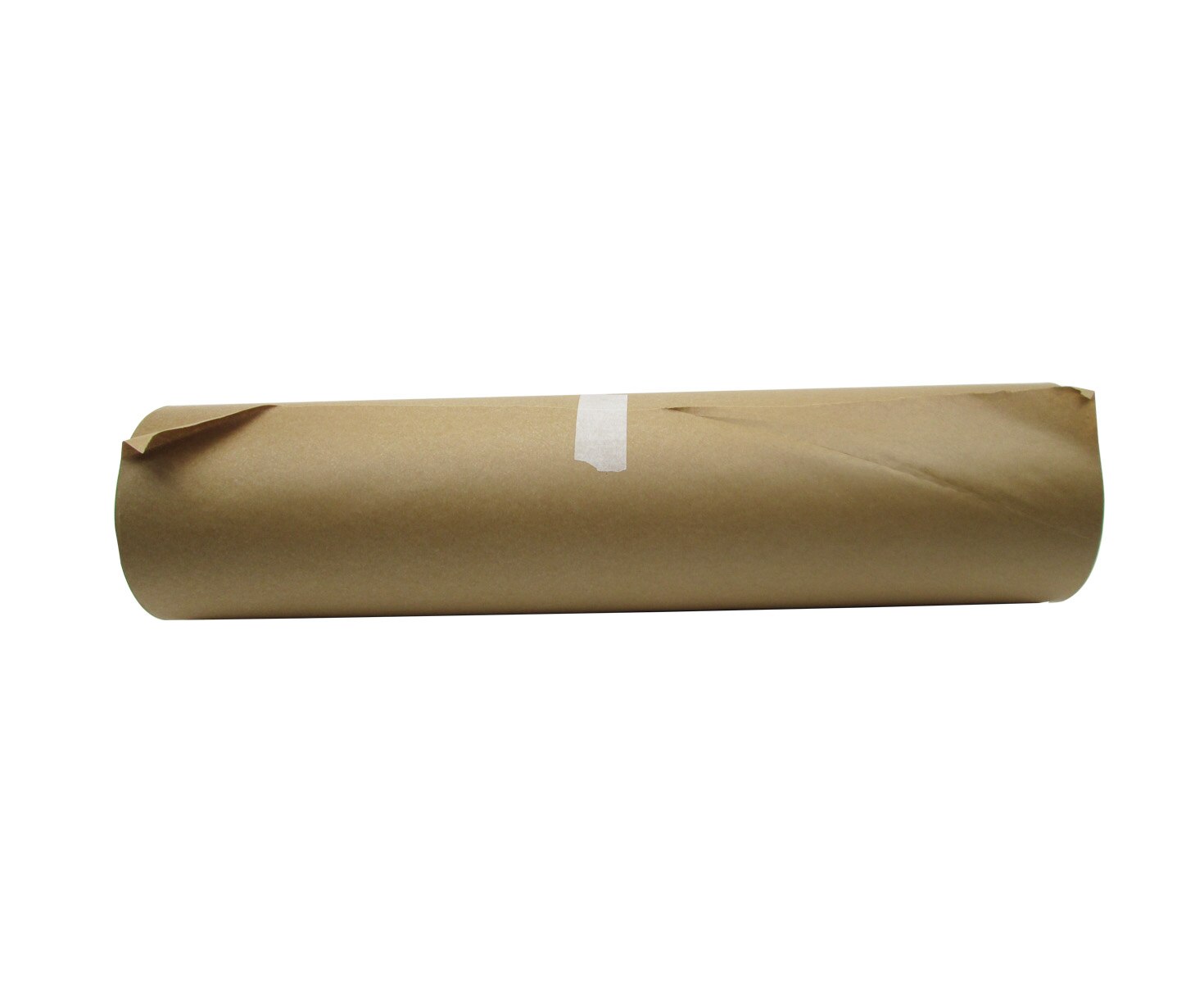
Military Specification
Military Specification MIL-PRF-121G Type I, Grade A, Class 1 Flat, Heat Sealable Paper - 36" x 100 Yard Roll
Rs 78,666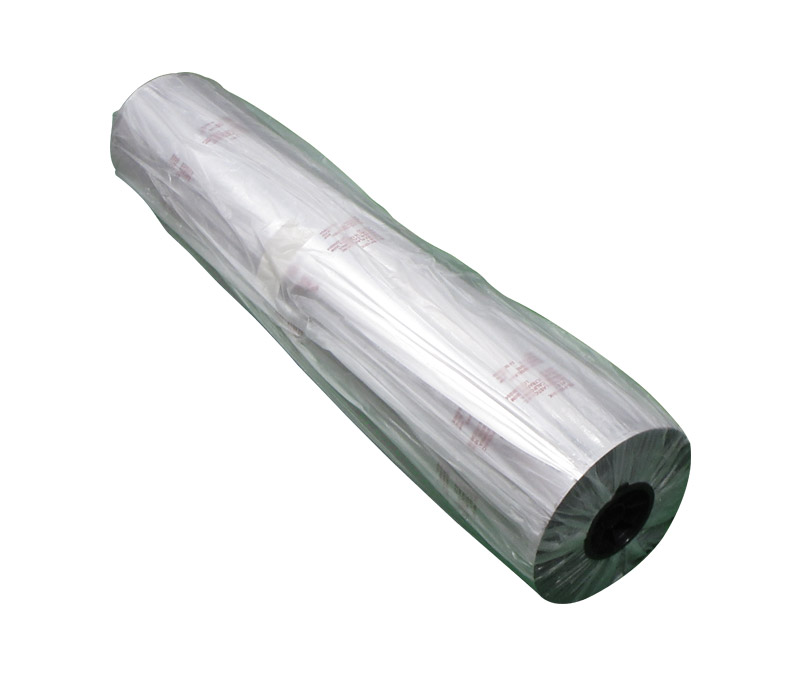
Military Specification
Military Specification MIL-PRF-131 Class I Type I Film Foil Heat Sealable Barrier - 36" x 200 Yard Roll
Rs 188,698
Military Specification
Military Specification MIL-PRF-131K Class I Type I Film Foil Heat Sealable Barrier - 48" x 200 Yard Roll
Rs 152,986
Military Specification
Military Specification MIL-PRF-121 Type II, Grade A, Class II #2 Creped Barrier - 36" × 100 Yard Roll
Rs 137,981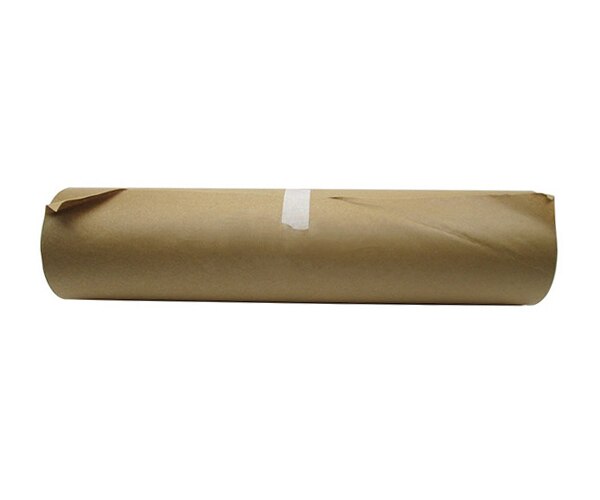
Military Specification
Military Specification MIL-B-121F Type II, Grade A, Class II #2 Creped Barrier - 48" × 100 Yard Roll
Rs 262,514
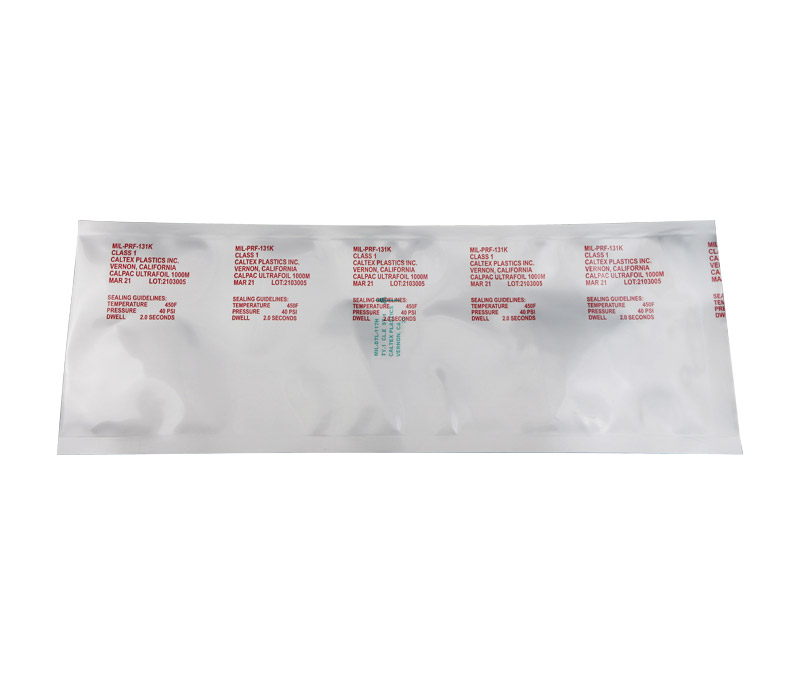
Military Specification
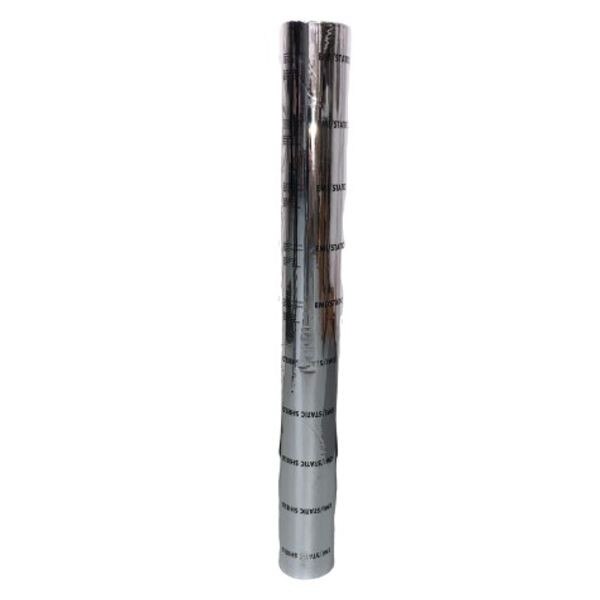
Military Specification MIL-PRF-131K Class I ULTRAFOIL 1000M Silver 6” x 19” Heat Sealable Bag - 25/Pack
Rs 12,460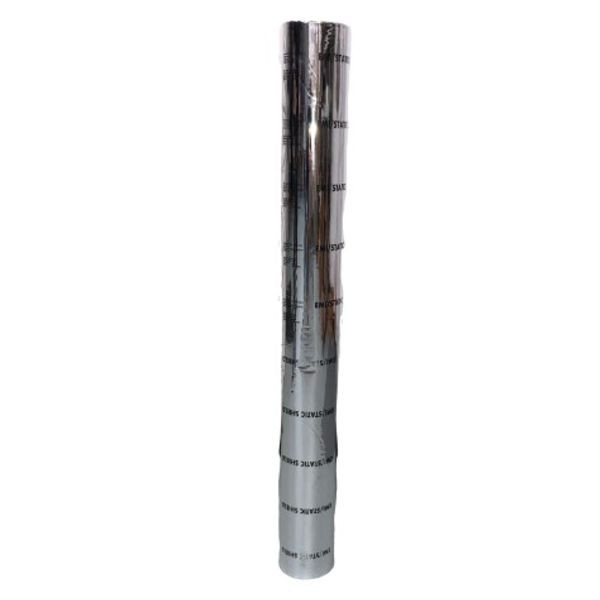

Military Specification
Military Specification MIL-PRF-131K Class III Brown Kraft Paper 6” x 19” Heat Sealable Bag - 500/Pack
Rs 133,000
Military Specification
Military Specification MIL-PRF-131K Class I ULTRAFOIL 500M Silver 6” x 19” Heat Sealable Bag - 25/Pack
Rs 142,030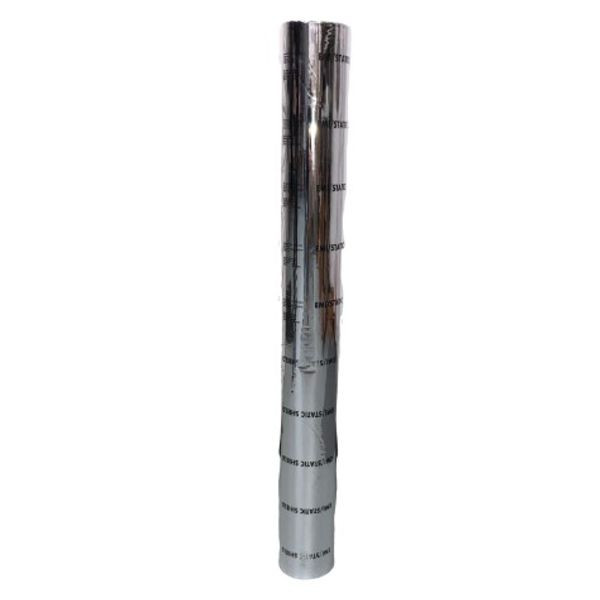
MIL-SPEC Packaging You Can Trust
Protecting sensitive aircraft components requires materials that are not only compliant but built for specific protective functions. With over 40 years of aviation industry expertise, SkyGeek focuses exclusively on supplying the precise barrier materials necessary to meet the most demanding military packaging standards for corrosion, moisture, and electrostatic discharge (ESD).Our inventory focuses on the MIL-PRF (Performance Specification) materials your logistics and procurement teams rely on for long-term preservation and compliance. We provide the necessary Manufacturer’s Certification and offer flexible rolls and bags designed to meet these exacting specifications.
Your Mil-Spec Barrier Material Categories
We simplify your procurement process by providing materials certified under the key Performance Specifications required for component preservation and transit.Moisture & Corrosion Barrier Materials (MIL-PRF-121 & MIL-PRF-131K)
These are the essential barriers for preventing rust and damage during long-term storage or global shipment. Our MIL-PRF-121 (flat and creped paper) and high-performance MIL-PRF-131K (Film Foil) products provide verifiable Moisture Vapor Barrier (MVB) protection.Electrostatic Discharge (ESD) Protection (MIL-PRF-81705E)
Protecting micro-electronics, sensitive circuits, and avionics requires specialized materials that prevent static build-up. Our MIL-PRF-81705E barrier material is designed to dissipate static electricity while simultaneously offering a reliable moisture barrier, addressing two critical protection needs in one film. Primary Use: Packaging static-sensitive components where both environmental protection and ESD control are non-negotiable.Paper & Basic Protective Barriers (MIL-B-121F)
For general wrapping, grease resistance, and non-critical components, these materials provide a durable, flexible, and easily sealed layer of protection. These products are ideal when components require a protective wrap without the need for high-level moisture-vapor proofing.FAQs on Mil-Spec Packaging Q: How do I ensure my parts meet Mil-Spec standards for shipping? A: Compliance starts with using certified materials and following the guidelines outlined in the relevant MIL-STD documents. Beyond the material itself, you must adhere to packaging methods, cushioning, and strict labeling requirements (MIL-STD-129P) for your military shipments to be accepted. Q: What is the difference between a MIL-PRF and a MIL-STD?? A: A MIL-STD (Military Standard) defines a process or method (e.g., how to mark a box). A MIL-PRF (Military Performance Specification) defines a material requirement (e.g., how moisture-proof a barrier film must be). You need both to achieve full compliance. Q: Is manufacturer certification required for every Mil-Spec order? A: While not always required for smaller internal use, most government contracts and military receiving agencies require proof of compliance. We recommend obtaining a manufacturer's certification if the packaged item is intended for any official military supply chain movement. Q: What materials are needed for static-sensitive components (ESD)? A: While many barrier films focus on moisture, packaging electronics and avionics requires materials that meet MIL-PRF-81705E. This specification ensures the material not only provides a moisture barrier but also safely dissipates electrostatic discharge (ESD), preventing damage to sensitive micro-electronics. Q: How should I choose between a Mil-Spec Roll and a Bag? A: Rolls offer flexibility and are ideal for custom or irregularly shaped items, allowing you to cut and heat-seal the material to any size you need. Bags are better for standardized, smaller items, offering faster packaging and a guaranteed factory-sealed perimeter, saving time and reducing the chance of sealing error.
Q: How do I ensure my parts meet Mil-Spec standards for shipping?
A: Compliance starts with using certified materials and following the guidelines outlined in the relevant MIL-STD documents. Beyond the material itself, you must adhere to packaging methods, cushioning, and strict labeling requirements (MIL-STD-129P) for your military shipments to be accepted.
Q: What is the difference between a MIL-PRF and a MIL-STD??
A: A MIL-STD (Military Standard) defines a process or method (e.g., how to mark a box). A MIL-PRF (Military Performance Specification) defines a material requirement (e.g., how moisture-proof a barrier film must be). You need both to achieve full compliance.
Q: Is manufacturer certification required for every Mil-Spec order?
A: While not always required for smaller internal use, most government contracts and military receiving agencies require proof of compliance. We recommend obtaining a manufacturer's certification if the packaged item is intended for any official military supply chain movement.
Q: What materials are needed for static-sensitive components (ESD)?
A: While many barrier films focus on moisture, packaging electronics and avionics requires materials that meet MIL-PRF-81705E. This specification ensures the material not only provides a moisture barrier but also safely dissipates electrostatic discharge (ESD), preventing damage to sensitive micro-electronics.
Q: How should I choose between a Mil-Spec Roll and a Bag?
A: Rolls offer flexibility and are ideal for custom or irregularly shaped items, allowing you to cut and heat-seal the material to any size you need. Bags are better for standardized, smaller items, offering faster packaging and a guaranteed factory-sealed perimeter, saving time and reducing the chance of sealing error.