
MIL-Spec Safety Wire
Showing 49–57 of 57 products

Military Standard
Military Standard MS20995C24 Stainless Steel 0.024" Diameter Safety Wire - 5 lb Roll - 10/Case
Rs 233,436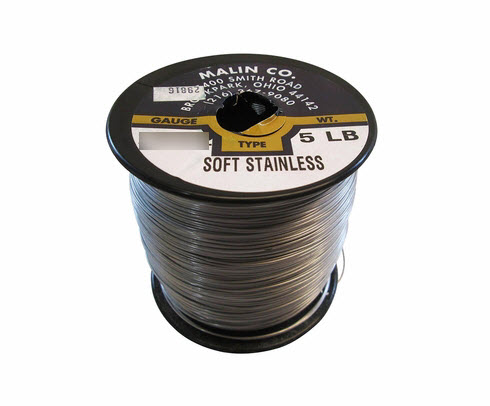
Military Standard
Military Standard MS20995C62 Stainless Steel 0.062" Diameter Safety Wire - 5 lb Roll - 10/Case
Rs 226,632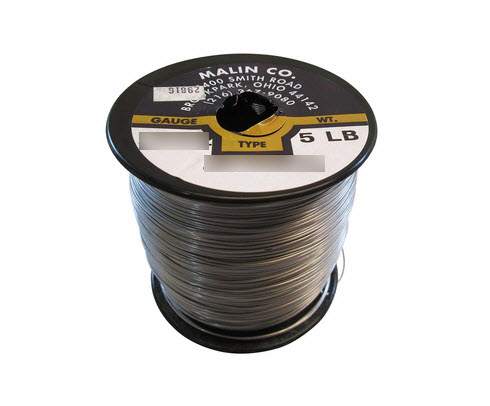
Military Standard
Military Standard MS9226-03 Oxidized Inconel 0.025" Diameter Safety Wire - 5 lb Spool - 10/Case
Rs 1,204,476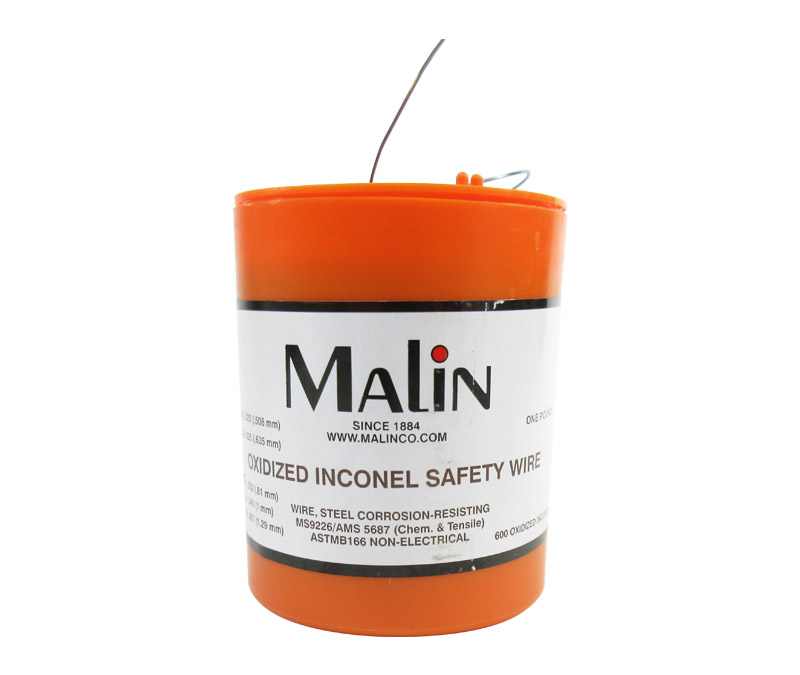
Military Standard
Military Standard MS9226-05 Oxidized Inconel 0.040" Diameter Safety Wire -1 lb Roll
Rs 30,422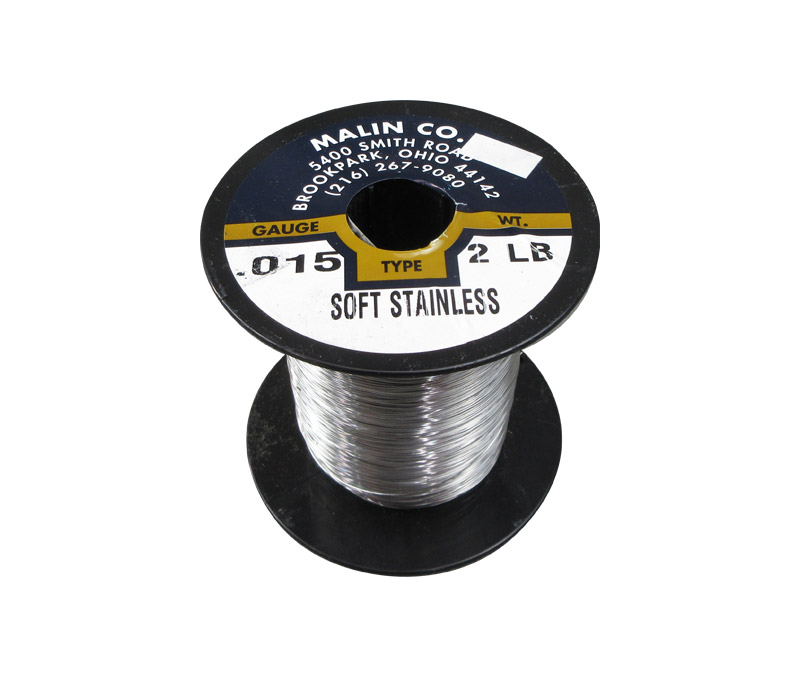
Military Standard
Military Standard MS20995C15 Stainless Steel 0.015" Diameter Safety Wire - 2 lb Roll
Rs 18,421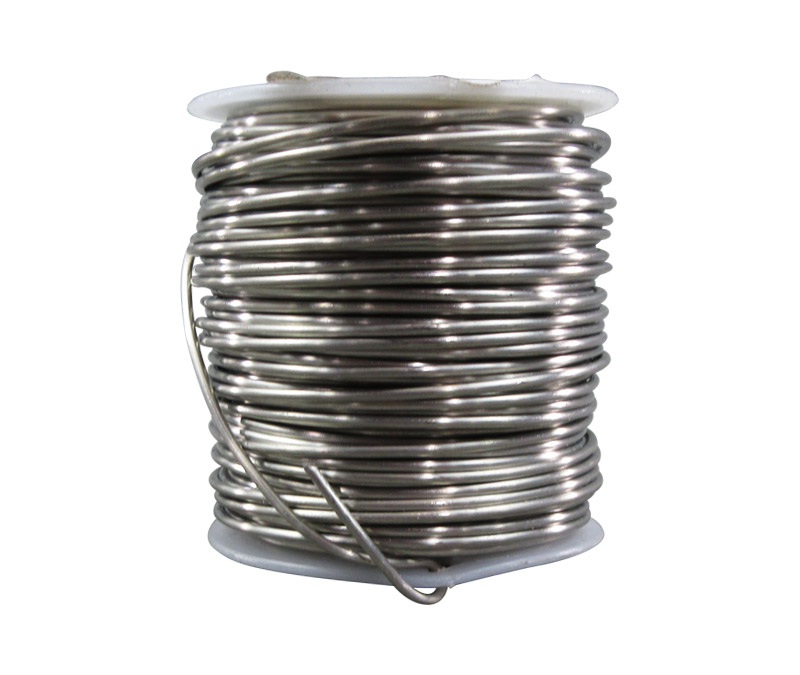
Military Standard
Military Standard MS20995C54 Stainless Steel 0.054" Diameter Safety Wire - 1 lb Roll
Rs 4,637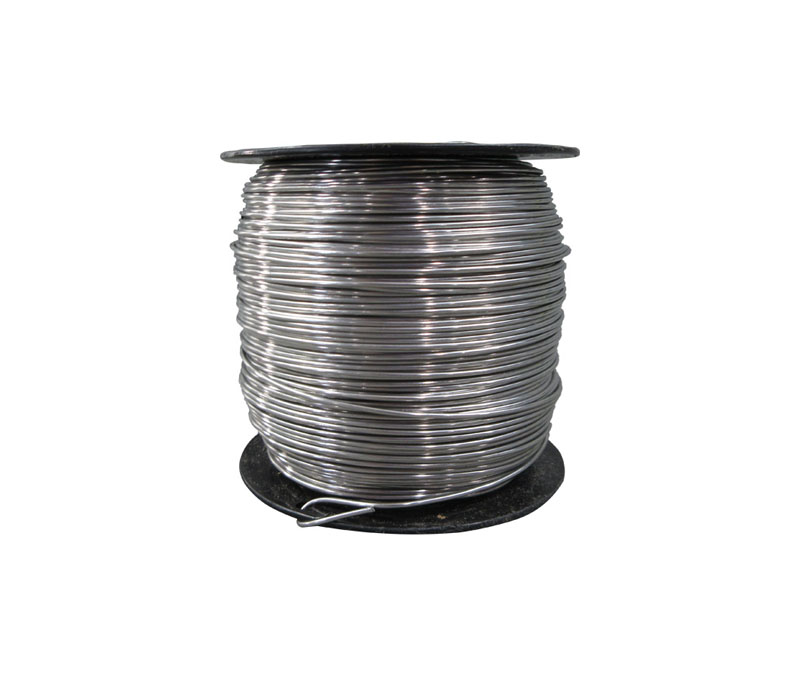
Military Standard
Military Standard MS20995C51 Stainless Steel 0.051" Diameter Safety Wire - 5 lb Spool
Rs 23,730
Military Standard
Military Standard MS20995C42 Stainless Steel 0.042" Diameter Safety Wire - 1 lb Roll - 10/Pack
Rs 97,860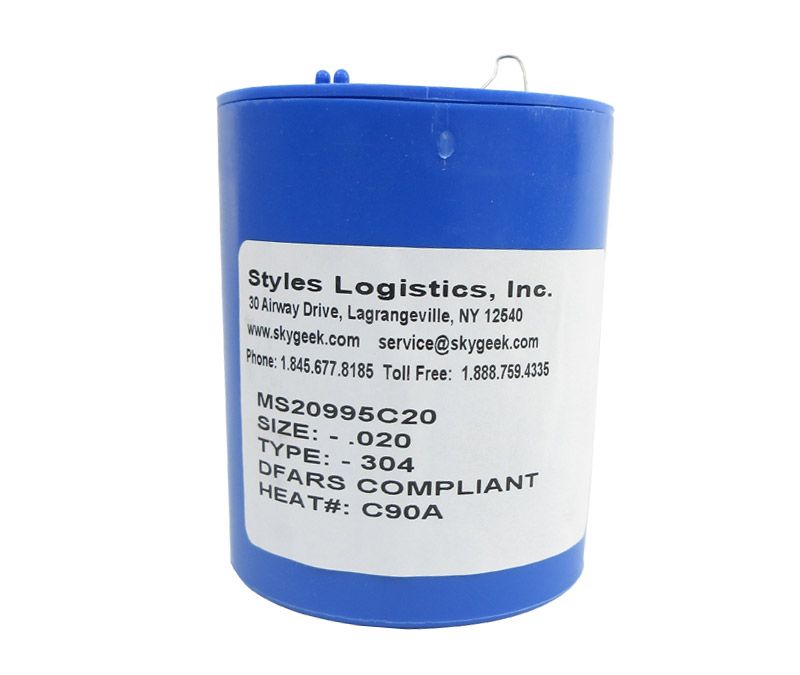
Aircraft MIL-SPEC Safety Wire
Loose bolts? Not on your watch. Safety wire is the final line of defense between secure hardware and catastrophic failure—and it’s a must-have in any aircraft maintenance hangar. At SkyGeek, we stock MIL-SPEC safety wire in a variety of materials and gauges, so you can lock it down like the pros.
When it says MIL-SPEC, you know it means business. This aircraft safety wire is built to MS20995/NASM20995 standards — the same tough specs trusted by the pros who keep birds in the air. Every spool’s got that consistent diameter, top-grade alloy, and just-right flexibility you need to lock it down and keep it there. It laughs in the face of vibration, heat, and corrosion — because that’s what aviation-grade safety wire is born to do.
And let’s be honest — not all wire can handle the pressure. MIL-SPEC safety wire brings the muscle: certified strength, rock-solid consistency, and full traceability from the factory floor to your toolbox. It’s the difference between “good enough” and “good to fly.”
What Is Safety Wire?
Safety wire—also called lock wire—is a soft metal wire used to secure fasteners that might otherwise loosen from vibration. You thread it through nuts, bolts, or screws and twist it off to form a physical restraint. In aviation, it’s commonly used on landing gear assemblies, engine components, and anywhere else failure isn't an option.
Choose Your Material: Stainless, Inconel, or Monel
Not all safety wire is created equal. At SkyGeek, you can choose from several high-quality options to suit your specific needs. Stainless steel wire is ideal for general-purpose locking, while Inconel is designed for high-temperature environments where maintaining performance under extreme temperature conditions is essential. For applications where corrosion resistance is critical, Monel wire is the top choice. No matter which material you select, each provides the strength, flexibility, and reliability required for precise, secure installations.
Lock It Right—Every Time
Our safety wire is MIL-SPEC compliant and available in convenient coils or cans for easy dispensing. Whether you're twisting by hand or using a safety wire twister, you’ll get clean wraps and solid holds every time.