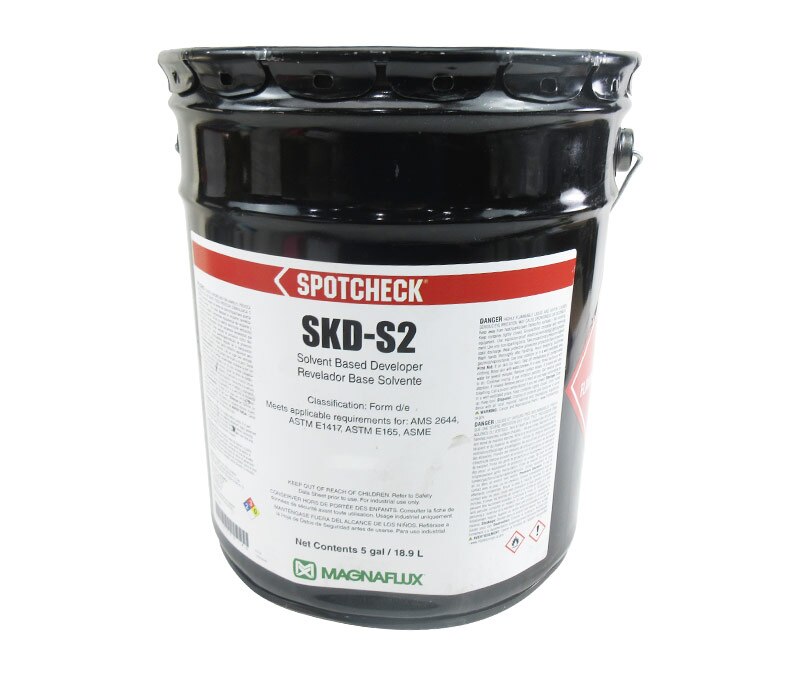
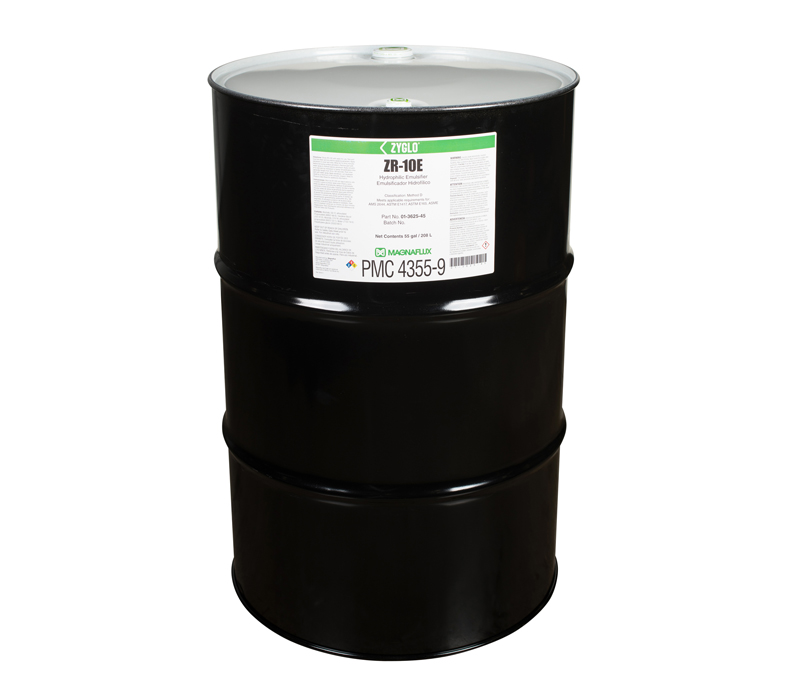
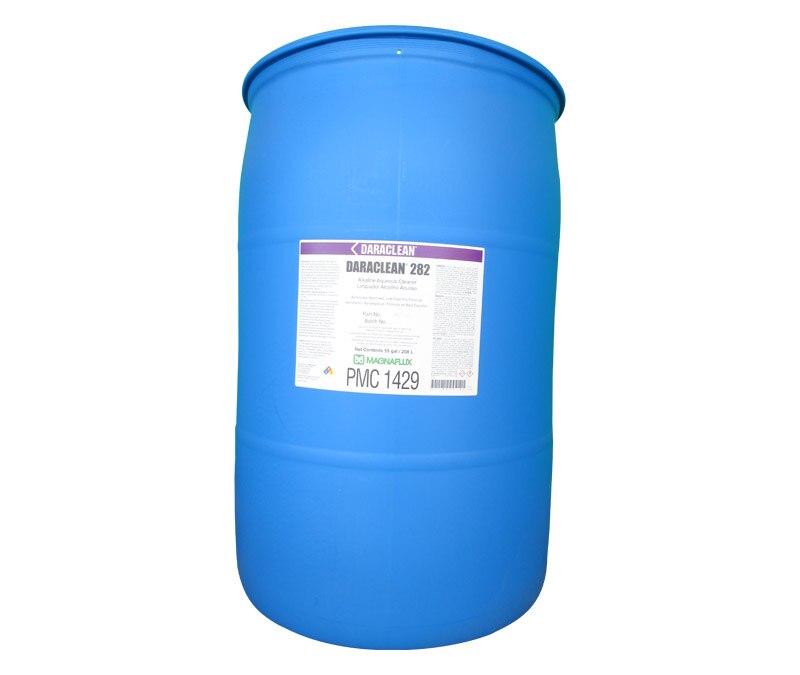
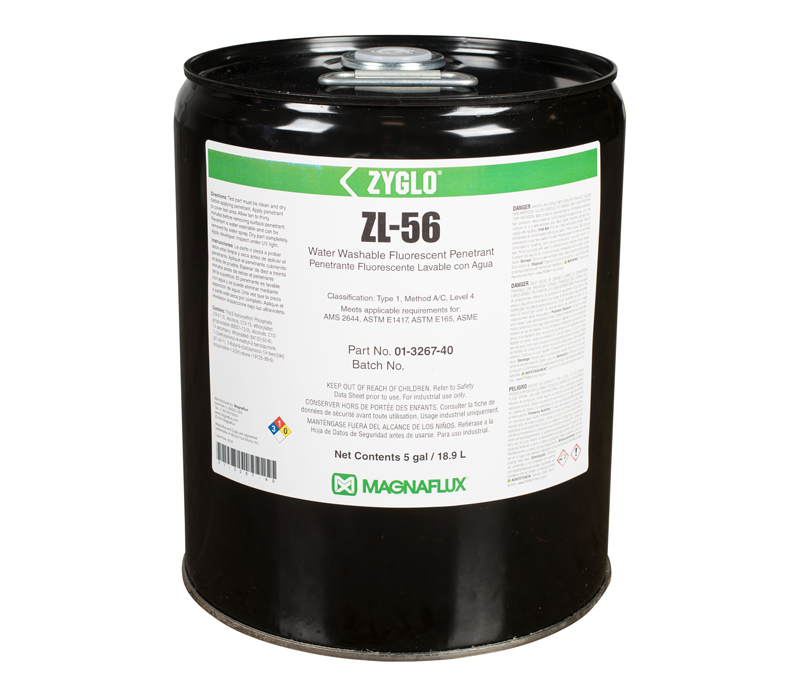
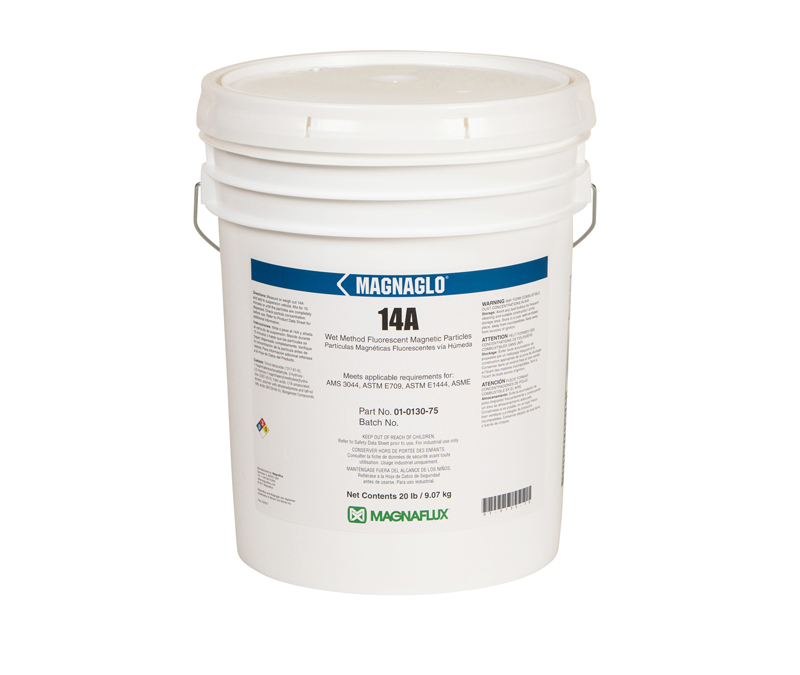
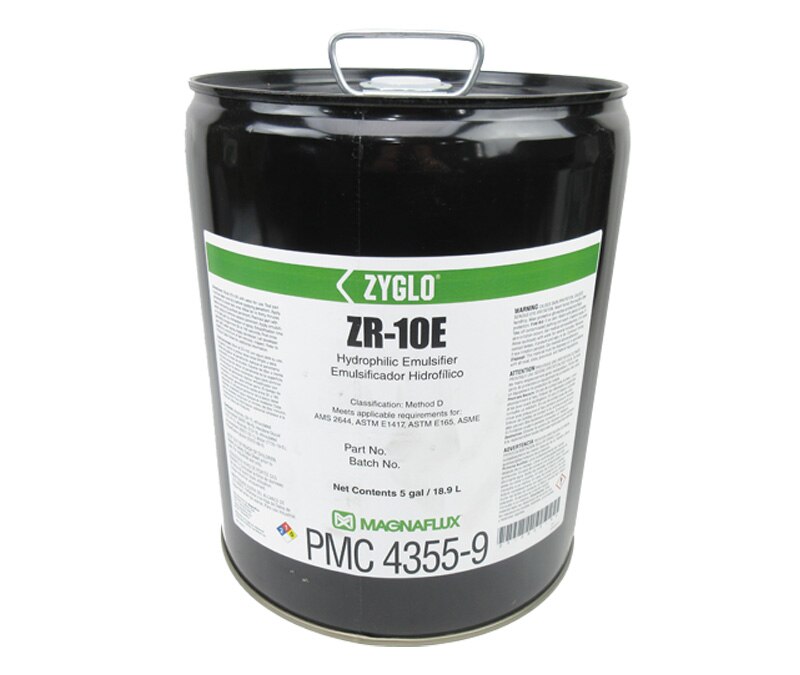
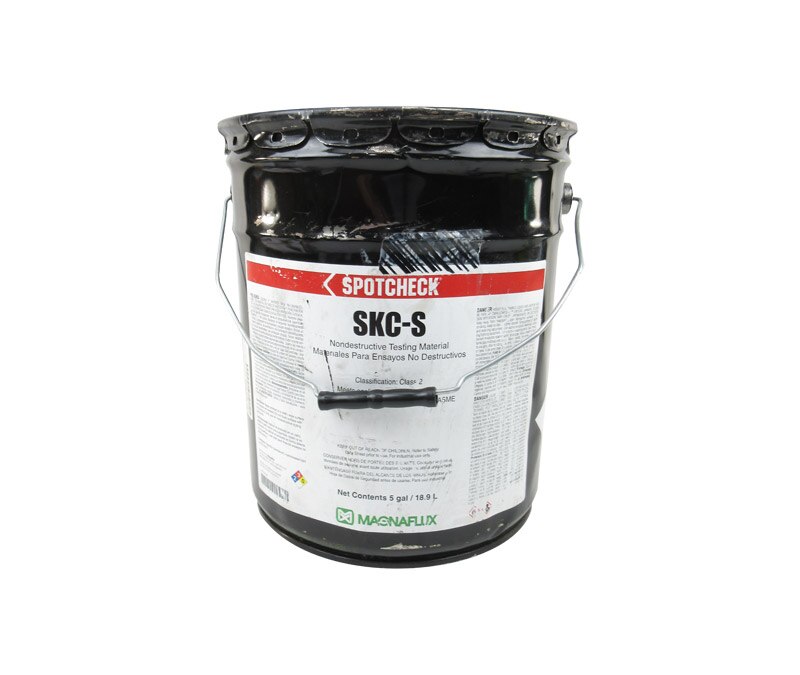
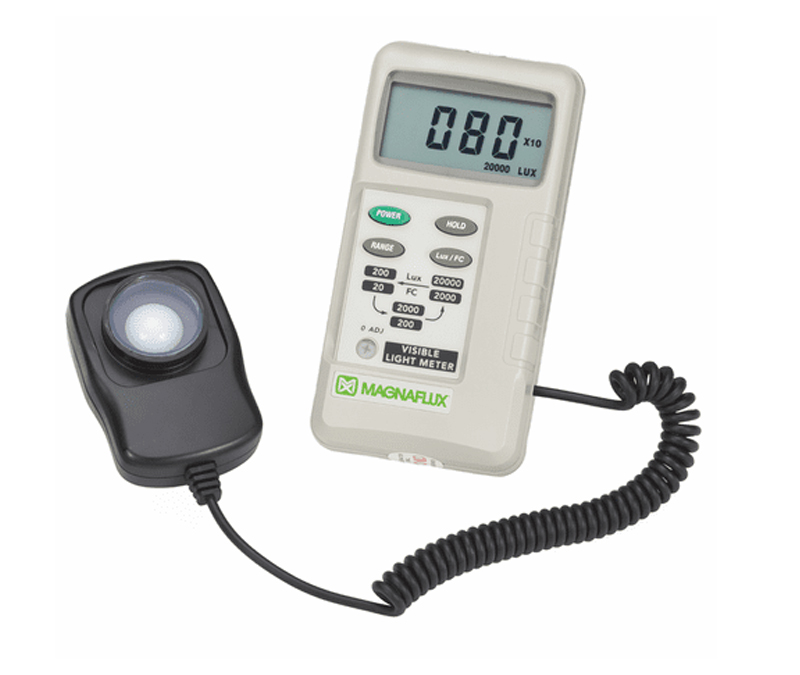
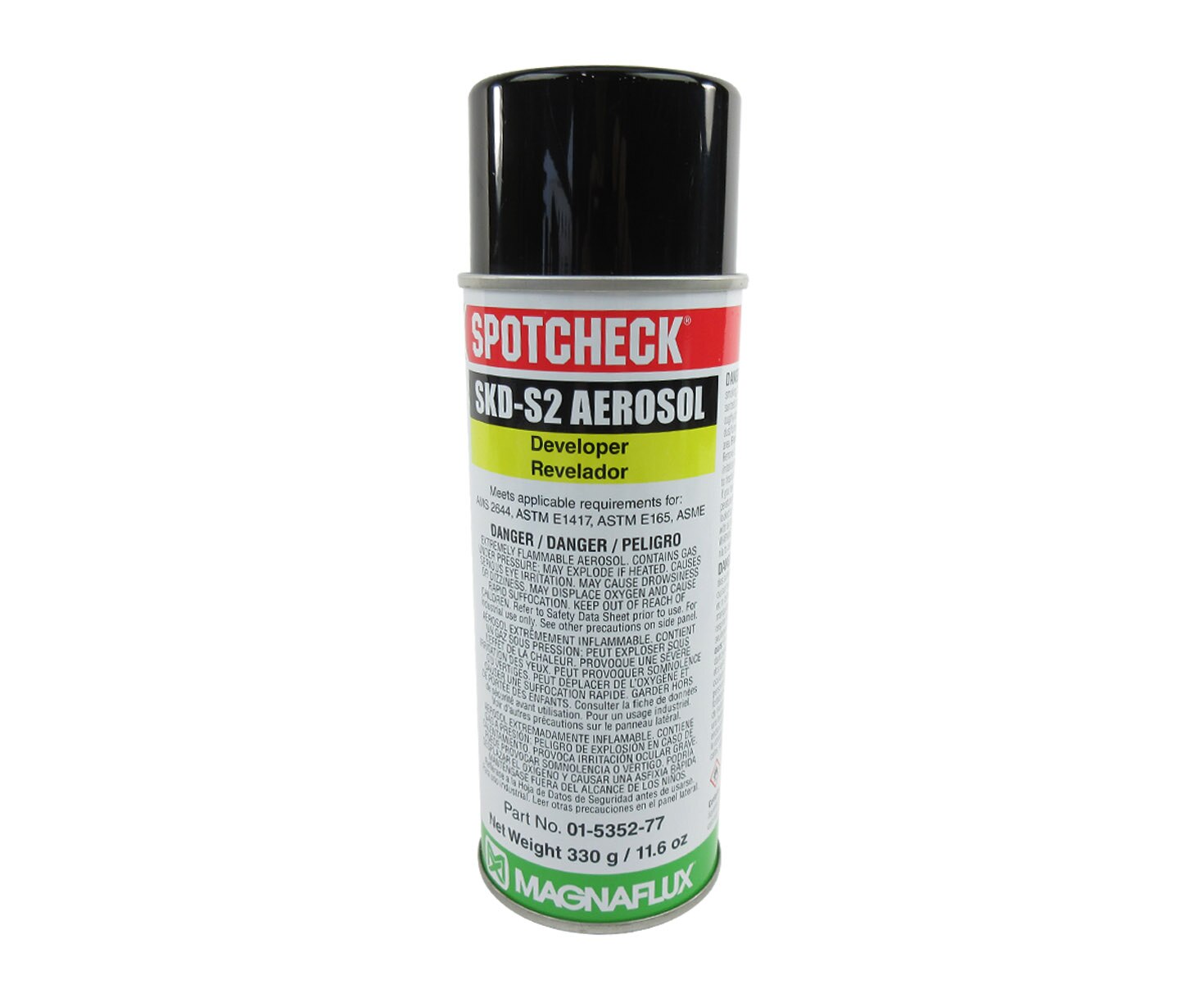
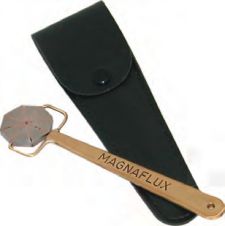
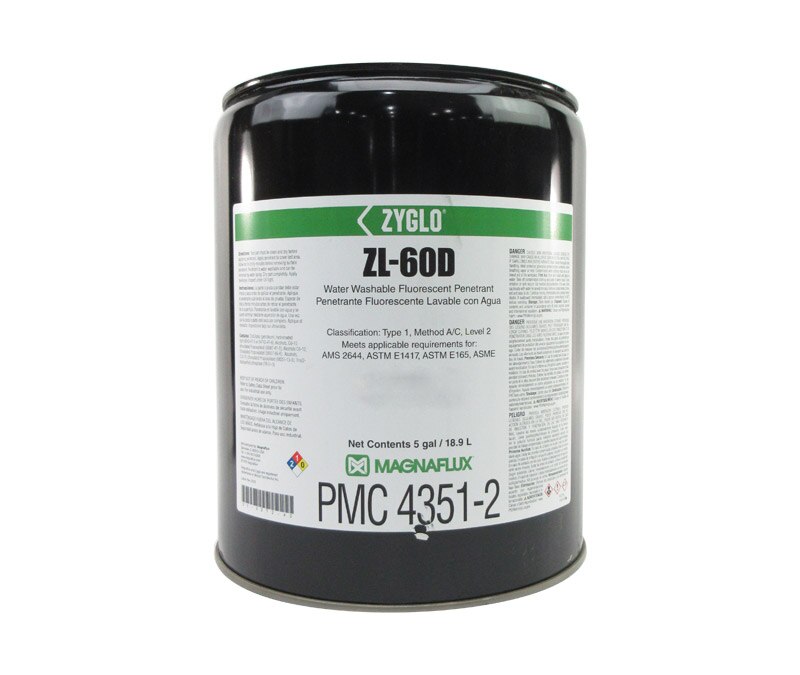
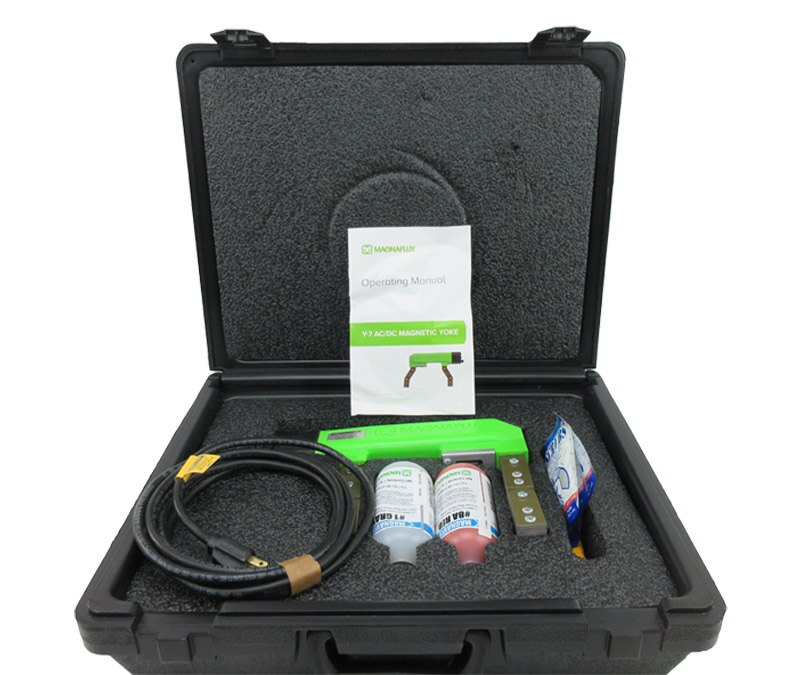
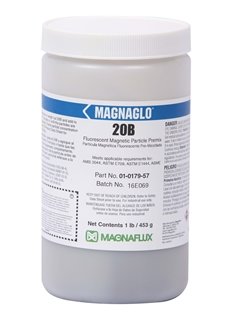
Small issues can become big problems if they're left untreated. Find cracks, laps, seams, cold shuts, delamination, porosity and types of defects with ease using liquid penetrant testing products from SkyGeek. Liquid penetrant testing products go on smoothly and settle evenly over the surface of a part to reveal any imperfections that could potentially lead to issues down the road. Proper maintenance is the best way to deter dangerous situations in the sky, so SkyGeek recommends checking your aircraft's parts on a regular basis to ensure proper function.
We carry liquid penetrant testing products from all of the leading brands including Magnaflux. Whether you're looking for single products like consumables, developer or emulsifier or an all-in-one testing kit with everything you need to get started you'll find just what you're looking for at SkyGeek. We make it easy to test and maintain your aircraft by offering top-quality products at low prices. Our liquid penetrant testing products are available in a wide range of container sizes, so whether you're an individual looking to maintain your hobby plane or a corporation with a fleet of aircraft, you'll find the right container sizes for your needs.
Not sure where to begin? Check out our kits and get everything you need at one low price. Our liquid penetrant test kits are a great starting point and are perfect for new mechanics or those that are just starting out. The kits contain a range of products form a single manufacturer that are all known to work well together. The items are packaged into a convenient carrying case for transport or storage and they're specially priced for the best value.
Visit SkyGeek today for all of your liquid penetrant testing product needs. We carry a great selection of products at an unbeatable value. Shop today to find the right consumables and kit items for your needs. We offer low pricing and fast shipping on dozens of different products and most items may be ordered with a manufacturer's certification if needed.
Q: What is dye penetrant inspection used for in aircraft maintenance?
A: Dye penetrant inspection (DPI) is a non-destructive testing method used to detect surface-breaking defects such as cracks, porosity, and laps on non-porous materials including aluminum, titanium, stainless steel, and composites. It is widely used in aviation MRO for inspecting airframe structures, engine components, and landing gear where magnetic particle inspection is not applicable.
Q: What are the steps of the dye penetrant inspection process?
A: The DPI process involves five steps: (1) clean and prepare the surface, (2) apply penetrant and allow dwell time, (3) remove excess penetrant, (4) apply developer to draw out penetrant from defects, and (5) inspect under appropriate lighting. Inspection must be performed by qualified personnel per a written NDT procedure.
Shop dye penetrant inspection kits at SkyGeek
Q: What specifications govern dye penetrant inspection materials in aviation?
A: Aviation DPI materials must meet AMS 2644 for penetrant materials qualification. Type I (fluorescent) systems are most common in MRO environments due to higher sensitivity. The NDT process procedure referenced in the aircraft maintenance manual or repair station quality system defines which DPI method and material type is required.
Q: What is the difference between Type I and Type II penetrant inspection?
A: Type I fluorescent penetrant uses ultraviolet light to reveal indications, providing higher sensitivity for small defects. Type II visible dye penetrant uses a red dye visible under white light, suitable for field use where UV equipment is not available. Aviation overhaul and repair stations typically use Type I fluorescent systems for critical structural and engine component inspection.
Q: Can dye penetrant inspection detect subsurface defects?
A: No. Dye penetrant inspection only detects defects that are open to the surface. Subsurface cracks or voids that do not break the surface cannot be detected by DPI. For subsurface detection in ferrous materials, magnetic particle inspection is used. Ultrasonic inspection is used for subsurface detection in both ferrous and non-ferrous materials.
Q: Is dye penetrant inspection better than magnaflux for aircraft components?
A: Neither method is universally better. Dye penetrant is applicable to all non-porous materials including aluminum, titanium, and composites. Magnaflux is limited to ferrous materials but can detect near-surface defects not open to the surface. The applicable NDT method for each component is defined by the aircraft maintenance manual and the approved NDT procedure.
Read: Magnafluxing Comprehensive Guide